Commercial Printing Technology Trends: Innovations Transforming the Print Industry
Commercial printing has never been just about presses and paper — it's always been shaped by whatever technology can produce better quality, faster, and at greater scale. What's changed recently is the pace. Commercial printing technology has moved further in the past few years than in the previous decade, as digital workflows, automation, and data-driven production have reshaped what a print shop can realistically deliver.
For brands and businesses relying on print partners, that shift matters. It's not just an operational story for printers — it directly affects turnaround times, personalization options, and the kind of print campaigns that are now practical to run at all.
Digital Transformation in the Print Industry
The clearest shift in commercial printing over the last several years has been the move from plate-based production toward fully digital workflows. Traditional offset printing still holds advantages for very high-volume runs — sharp image quality and lower per-unit cost at scale — but it requires physical printing plates and a setup process that makes short runs inefficient.
Digital printing innovations have closed much of that gap. Digital presses print directly from a file, with no plates required, which makes short runs, fast turnarounds, and one-off customization far more economical than they used to be. Advances like LED UV curing — which sets ink instantly using ultraviolet light instead of heat — have also improved digital output quality and color vibrancy, narrowing the visual gap between digital and offset even further.
The practical result: many jobs that once required offset for acceptable quality can now run digitally, giving businesses more flexibility in run size without sacrificing the finished product.
Automation and Workflow Optimization in Print Production
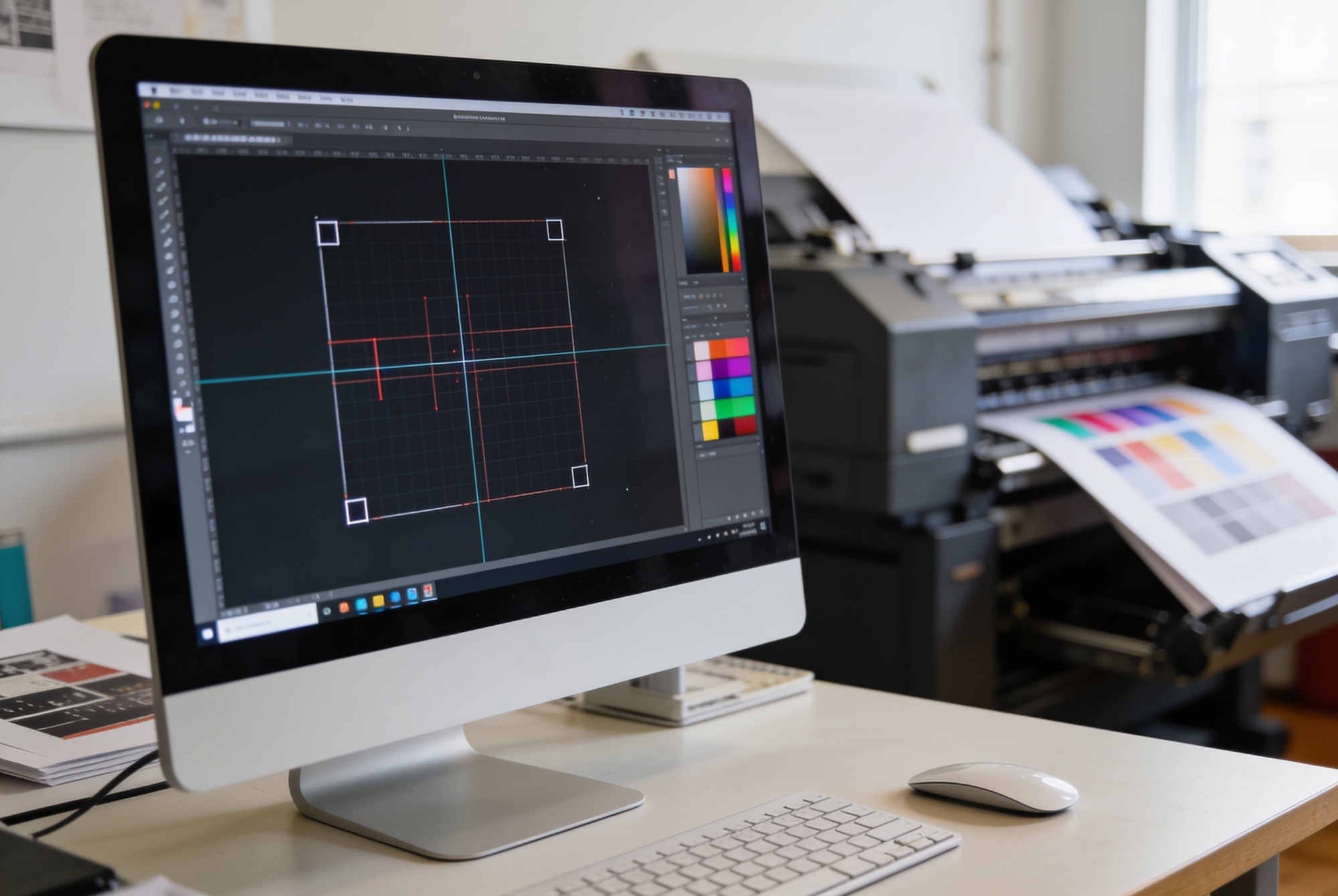
Beyond the press itself, automation has quietly reshaped everything that happens before and after printing. Prepress work — file checks, color correction, imposition — is increasingly handled by automated software rather than manual review, cutting turnaround time and reducing costly errors before a job ever reaches the press.
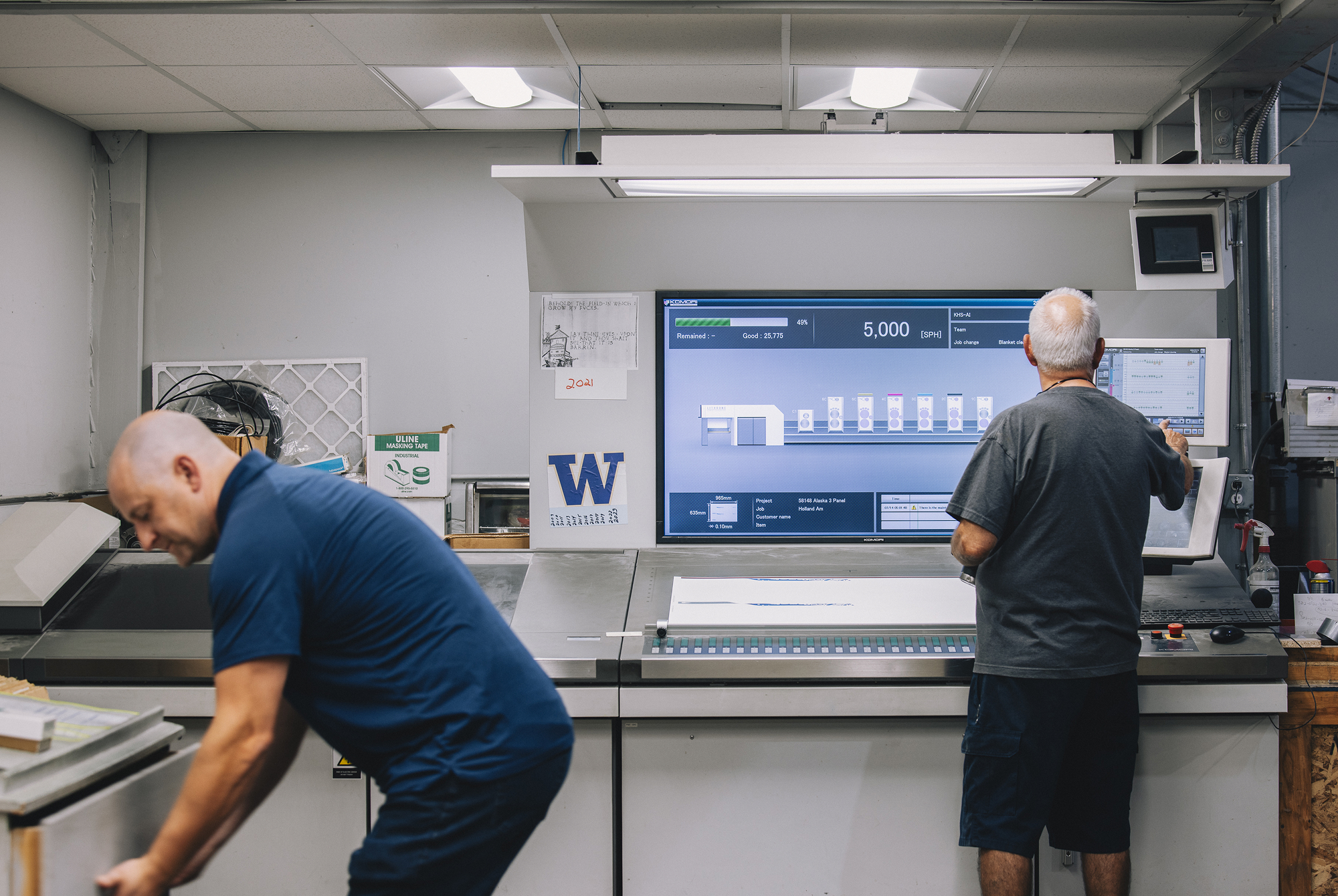
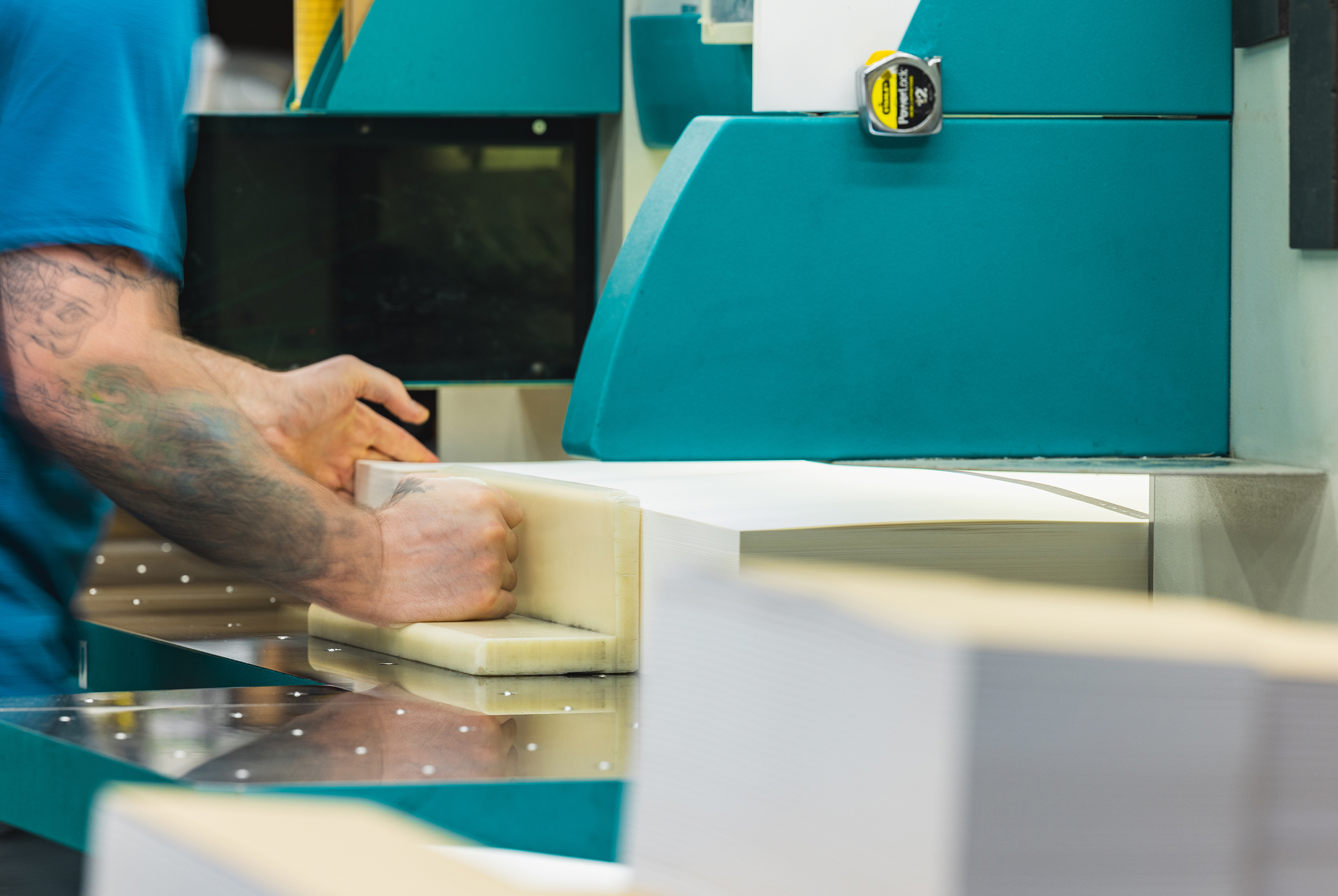
Automated print production now extends into finishing as well: automated cutting, folding, binding, and packing systems reduce the manual labor and time required to take a job from printed sheet to finished, shippable product. For print shops managing multiple jobs simultaneously, workflow automation software also helps schedule press time, track job status, and route files without constant manual oversight.
The cumulative effect is faster turnaround on jobs of every size — not just an efficiency gain for the printer, but a real advantage for clients who need materials produced and delivered on tighter timelines.
Advances in Color Accuracy and Print Speed
Two of the most tangible improvements in modern commercial printing are color consistency and press speed, both of which affect quality and cost directly.
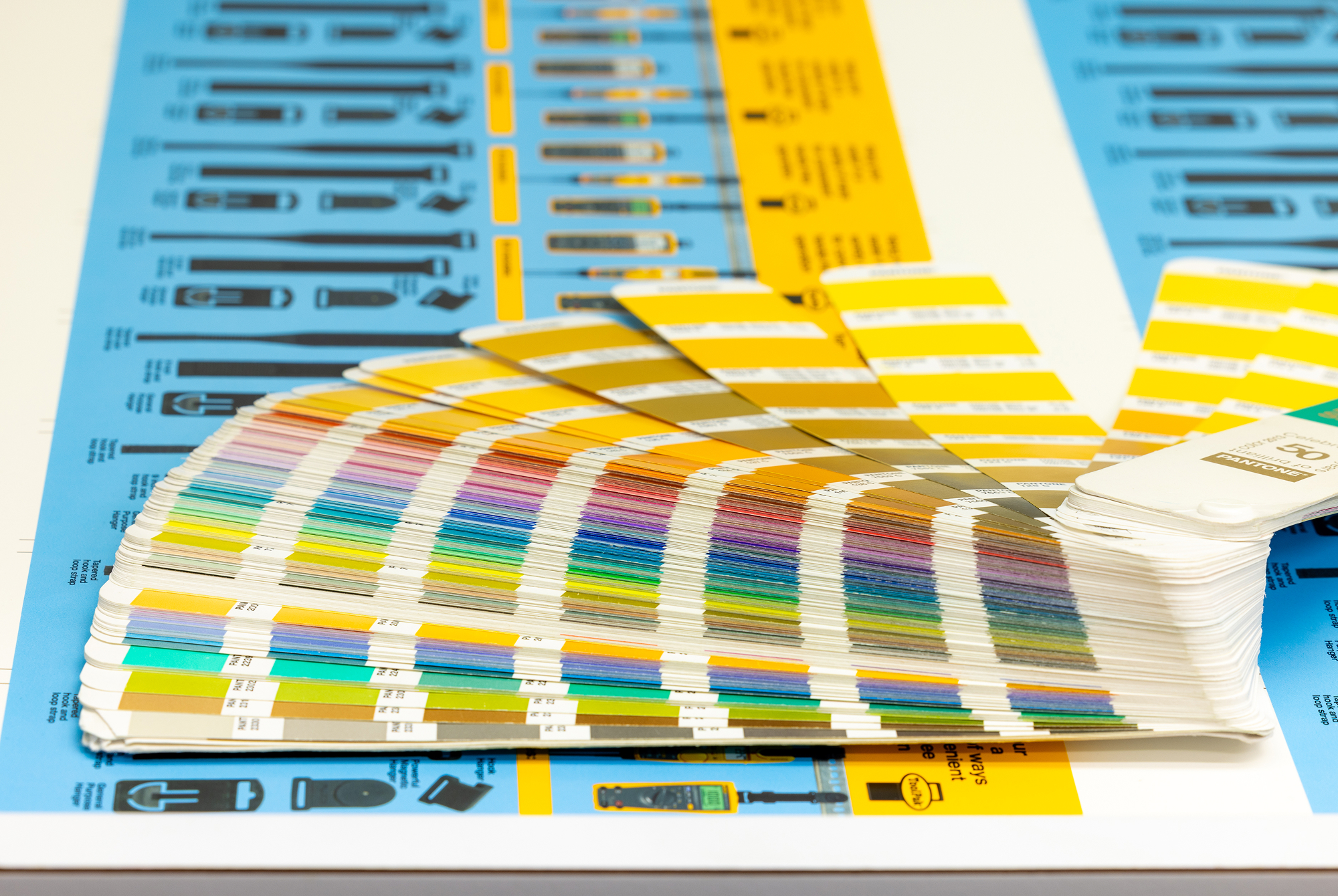
Color management systems now calibrate presses continuously throughout a run, correcting for drift that used to require manual adjustment mid-job. This matters enormously for brands with strict color standards — a logo or packaging color that shifts even slightly between print runs can undermine brand consistency across materials.
Print speed has improved alongside quality. Modern digital presses can now produce high-resolution output at volumes that would have required offset production not long ago, narrowing the speed advantage that offset traditionally held for larger runs. Combined with better color accuracy, this means businesses increasingly don't have to choose between speed, quality, and run-size flexibility the way they once did.
How AI and Data Are Influencing Print Operations
Data and automation are starting to intersect with print production in ways that go beyond simple workflow efficiency. Predictive maintenance systems can now flag press issues before they cause downtime, using sensor data to catch wear patterns early rather than waiting for a breakdown mid-run.
On the creative and targeting side, data is what makes modern personalization possible in the first place. Variable data printing — adjusting text, images, or offers per recipient within a single print run — depends entirely on clean, well-structured data feeding the press. As data management tools improve, the level of personalization achievable in a standard print run keeps expanding, from simple name fields to fully individualized layouts based on purchase history or behavior.
These smart printing solutions aren't replacing the fundamentals of good print production — they're making it possible to combine personalization, speed, and consistency in ways that used to require tradeoffs.
Web-to-Print Solutions for Business Scalability
For businesses that need ongoing, repeatable print materials — franchise locations, sales teams, multi-location retailers — web-to-print portals have become one of the more practical technology shifts in commercial printing. These custom online ordering systems let approved users reorder business cards, brochures, signage, or marketing materials directly, within pre-set brand templates, without looping in a designer or account manager for every request.
That matters for scalability in two directions. It reduces the operational burden on the print partner managing dozens or hundreds of reorders, and it gives client businesses faster, more consistent access to materials they need regularly — with brand guardrails built in so local teams can't stray from approved design and messaging.
As more printers build out these portals, web-to-print is shifting from a nice-to-have convenience to an expected capability for any business managing print needs across multiple locations or teams.
Emerging Trends in On-Demand Printing
On-demand printing — producing exactly what's needed, when it's needed, rather than pre-printing large inventories — continues to gain ground as digital press capabilities improve. A few trends worth watching:
- Shorter, more frequent runs replacing large upfront print orders, reducing waste from outdated or unused inventory
- Faster reorder cycles enabled by web-to-print portals and automated prepress, cutting the time between request and delivery
- Tighter integration with ecommerce and fulfillment, where printed materials — packaging inserts, personalized mailers — are produced and shipped as part of a single automated workflow
- Sustainability gains as a byproduct, since on-demand production naturally reduces overprinting and material waste compared to bulk runs sized on guesswork
On-demand capability is increasingly what separates print partners built for modern business needs from those still optimized purely around large, infrequent print runs.
Conclusion: How Technology Is Reshaping Commercial Printing
The future of print industry technology isn't about replacing traditional strengths like offset's quality and cost efficiency at scale — it's about giving businesses more flexibility around speed, personalization, and run size than was practical even a few years ago. Digital innovation, automation, and data-driven production are converging to make print faster, more consistent, and more adaptable to how businesses actually operate today.
For brands evaluating a print partner, technology capability is no longer a background detail — it's a direct indicator of how quickly, consistently, and flexibly a partner can turn a print need into a finished product.