Sustainable Commercial Printing: How Eco-Friendly Print Solutions Help Modern Brands
Consumers are paying closer attention to how the brands they support show up in the world, and that scrutiny now extends to something as tangible as a printed box, brochure, or hangtag. Sustainable commercial printing has moved from a nice-to-have into a genuine business expectation. Brands that once treated print as an afterthought are now asking harder questions about materials, inks, and waste, because the answers directly shape how customers perceive them.
For companies producing everything from retail packaging to marketing collateral, adopting eco-friendly printing practices is no longer just about compliance or cost-cutting. It's a visible, tangible way to demonstrate values, and it's increasingly a deciding factor in which print partner a brand chooses to work with.
What Makes Commercial Printing Environmentally Friendly
Environmentally responsible printing isn't a single feature; it's the sum of several deliberate choices made throughout the production process. A few of the most impactful areas include:
- Material sourcing – choosing papers and substrates that come from responsibly managed sources rather than unchecked virgin stock
- Ink and toner selection – moving away from petroleum-based formulas toward lower-impact alternatives
- Energy use – running equipment and workflows that minimize electricity draw and machine idle time
- Waste management – reducing offcuts, misprints, and material overage through better planning and layout
- End-of-life impact – making sure the finished product itself, not just the process, can be recycled or responsibly disposed of
Green print solutions typically combine several of these elements rather than relying on just one. A printer using recycled stock but running inefficient, energy-heavy presses isn't fully sustainable — the goal is to address the whole production chain, not just the parts that are easiest to market.
Recycled Paper vs. FSC-Certified Materials
These two terms get used interchangeably, but they solve different problems.
Recycled paper is made partially or entirely from post-consumer or post-industrial waste, diverting material from landfills and reducing the need for new pulp. It's a strong choice for projects where the paper's origin story matters as much as its performance — think packaging inserts, informational materials, or anything reinforcing a brand's environmental commitment.
FSC-certified materials, on the other hand, carry a Forest Stewardship Council certification confirming the paper came from a forest managed to specific environmental and social standards. FSC paper isn't necessarily recycled; it's about responsible sourcing of virgin fiber. This matters for projects where print quality, weight, or finish options are non-negotiable, but the source of that virgin fiber still needs to be verifiable and responsible.
Many brands land on a mixed strategy: recycled print materials for high-volume, everyday print runs, and FSC-certified stock for premium pieces where paper feel and print fidelity carry more weight. Neither option is inherently "more sustainable" across every use case — the right choice depends on the print run, the budget, and what the finished piece needs to communicate.
Soy-Based Inks and Low-VOC Printing Explained
Ink chemistry rarely comes up in brand conversations, but it has an outsized environmental footprint. Traditional petroleum-based inks release volatile organic compounds (VOCs) during printing and drying compounds linked to air quality issues and, in enclosed production environments, worker health concerns.
Soy-based and other vegetable-based inks address this directly. Because they're derived from renewable crops rather than petroleum, they emit substantially fewer VOCs. They also happen to be easier to remove during the paper de-inking process, which makes the printed material more recyclable at the end of its life, a detail that connects ink choice directly back to a brand's broader sustainability claims.
Low-VOC printing isn't limited to soy inks alone. It also includes water-based coatings, UV-cured inks that eliminate solvent evaporation entirely, and toners engineered for lower emissions. For brands making public sustainability commitments, being able to specify low-VOC or soy-based ink on a job isn't just an operational detail it's a claim they can back up if a customer asks.
How Sustainable Printing Improves Brand Perception
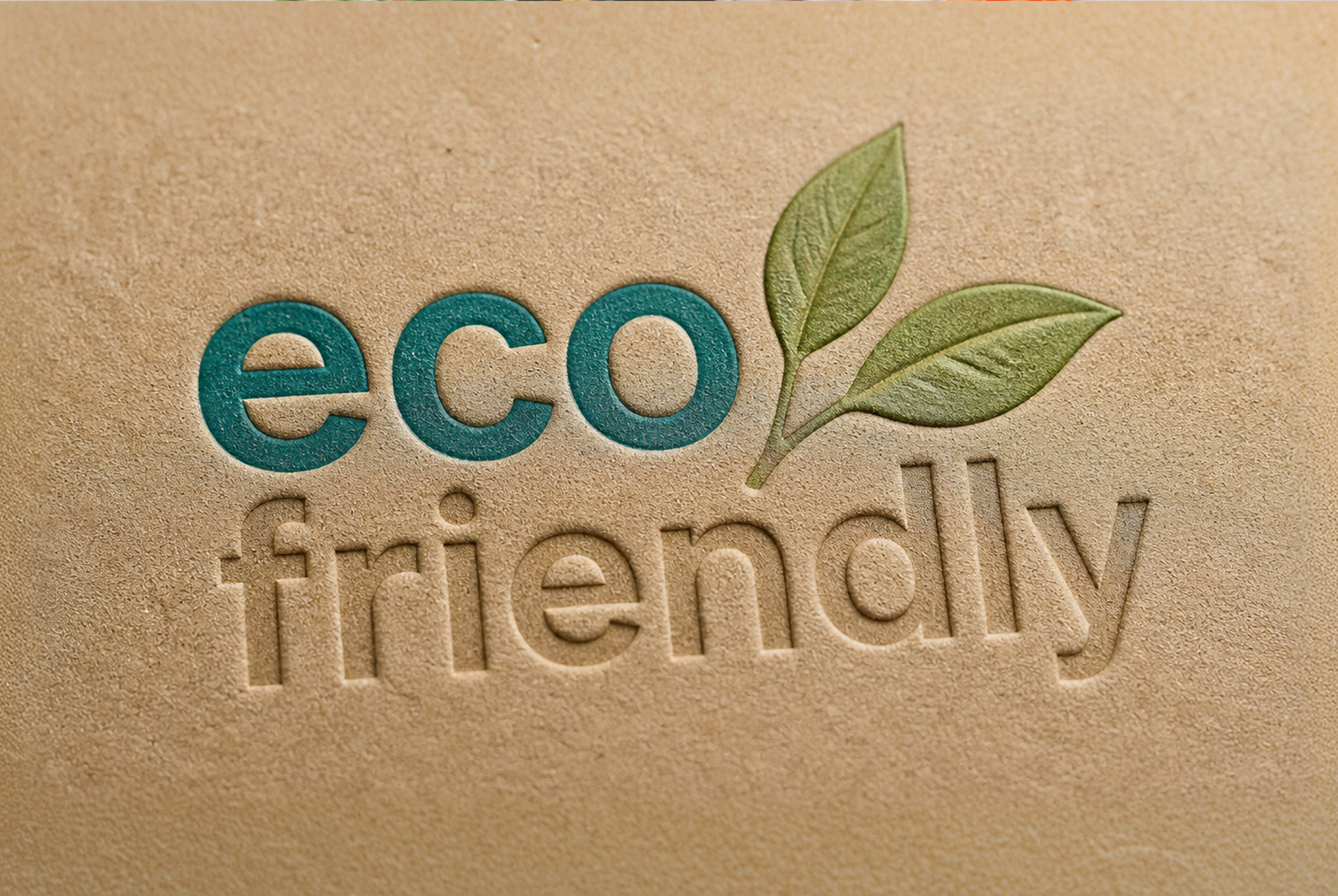
Print materials are one of the few brand touchpoints a customer can physically hold, which makes them a uniquely credible place to demonstrate environmental commitment. A shipping box, a product insert, or a piece of direct mail printed on visibly recycled stock or stamped with an FSC label sends a signal that words on a website can't always match.
That signal carries real commercial weight. Customers increasingly favor brands that back sustainability claims with visible, verifiable action rather than vague messaging — and they're often willing to pay more for it. Poor environmental practices, conversely, can actively push customers away from a brand once they notice the gap between what's said and what's shown.
The takeaway for marketing and operations teams: sustainable print choices aren't just an internal cost decision. They're a customer-facing signal, and one that's cheap to communicate once the underlying production choice has already been made.
Industries Adopting Eco-Conscious Print Marketing
Sustainable print adoption isn't limited to one sector it's showing up across categories where physical materials still carry brand weight:
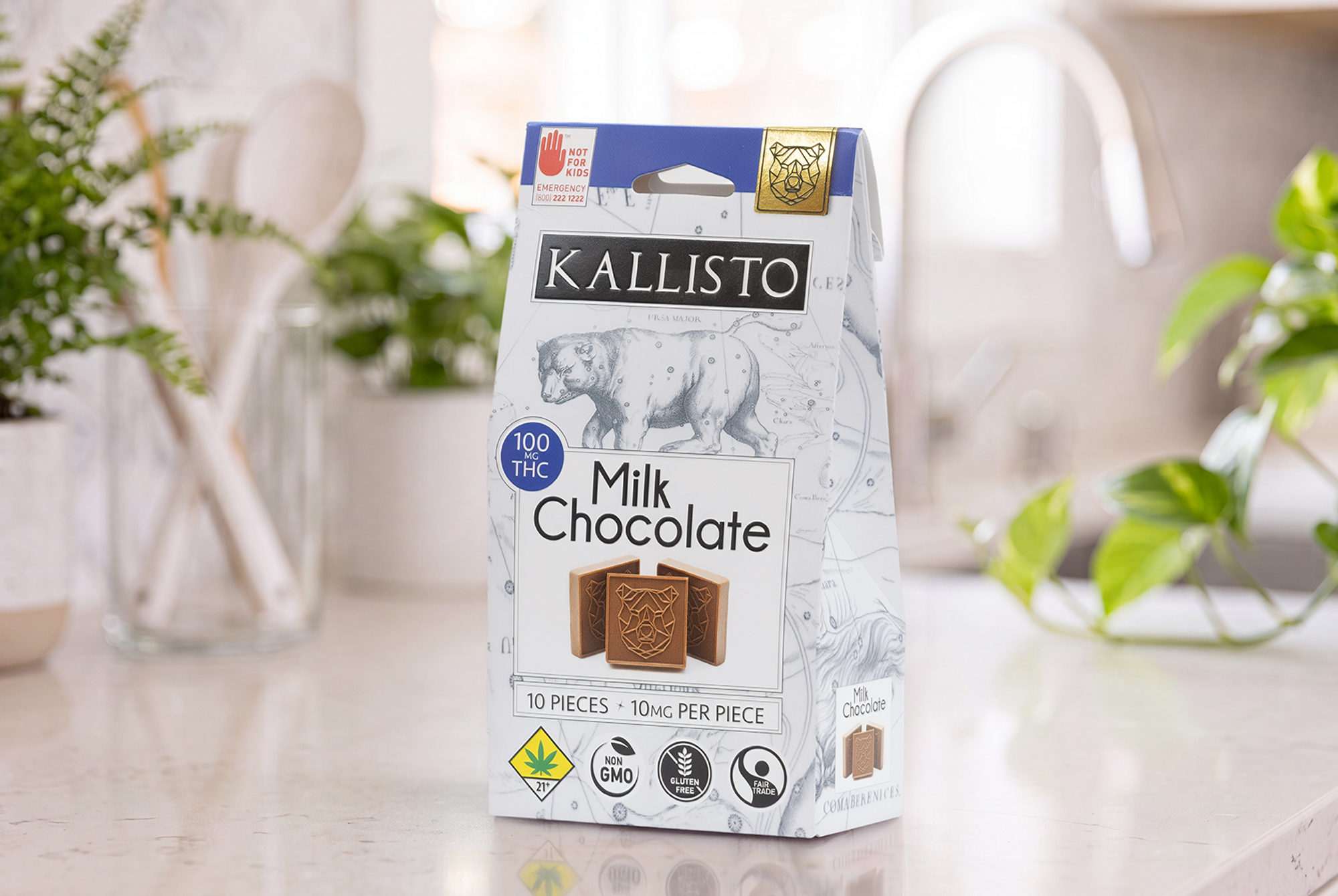
- Retail and e-commerce unboxing experiences and sustainable packaging printing that reflect a brand's values from the first physical touchpoint
- Food and beverage labels, cartons, and inserts where recyclability and compostability are increasingly scrutinized by regulators and consumers alike
- Healthcare and wellness patient materials and packaging where trust and responsibility messaging reinforce brand credibility
- Professional services and B2B proposals, collateral, and direct mail where sustainable production reflects broader corporate values
- Events and hospitality signage, programs, and promotional materials produced for short-term use, where waste reduction is especially visible
Across all of these, the common thread is that print materials function as a physical extension of brand identity — and increasingly, that identity includes environmental accountability.
Balancing Sustainability with Print Quality and Cost
The most common hesitation around eco-friendly printing is the assumption that "sustainable" automatically means "compromised" lower quality, higher cost, or longer lead times. That's less true today than it was even a few years ago, but it's not something to ignore either.
A few practical considerations:
- Not every project needs the same materials. High-volume internal collateral is a natural fit for recycled stock, while a flagship product launch might justify FSC-certified virgin fiber for the finish quality it delivers.
- Efficient production reduces both waste and cost. Better layout planning and print-on-demand approaches cut material overage, which benefits the budget and the environmental footprint simultaneously.
- Supplier relationships matter. Working with a printer that already has sustainable materials and inks built into their standard offering avoids the premium that sometimes comes from treating sustainability as a special request.
The goal isn't to sacrifice quality for the sake of a sustainability claim, or vice versa. It's finding the print partner and material mix that delivers both without forcing a brand to choose.
Conclusion: Sustainability as a Competitive Advantage
Sustainable commercial printing has shifted from a differentiator to an expectation, but that shift also creates opportunity. Brands that build eco-friendly materials, inks, and processes into their standard print production rather than treating them as an occasional upgrade — end up with a genuine, demonstrable advantage: lower waste, stronger customer trust, and print materials that reinforce the brand values they're already trying to communicate everywhere else.
Choosing a print partner who already has these practices built in, rather than bolted on, makes that advantage easier to access and easier to prove.