
How to Choose the Right Commercial Printing Partner for Long-Term Business Growth
For many businesses, commercial printing is more than a one-time purchase — it is an ongoing part of branding, marketing, operations, and customer communication. From packaging and signage to catalogs, direct mail, and corporate materials, print plays a major role in how companies present themselves to the market.
As businesses scale, the quality, consistency, and reliability of printed materials become increasingly important. This is why choosing the right commercial printing partner is a strategic business decision rather than simply selecting the lowest-cost vendor.
The right printing partner can improve efficiency, strengthen brand consistency, reduce operational risk, and support long-term business growth. The wrong choice can lead to delays, inconsistent quality, wasted marketing budgets, and customer dissatisfaction.
This guide explains how businesses can evaluate commercial printers effectively and build partnerships that support sustainable growth over time.
Introduction: Why Choosing a Print Partner Matters
Many businesses underestimate how deeply print production affects day-to-day operations and customer perception.
Printed materials influence:
- Brand credibility
- Marketing performance
- Customer experience
- Product presentation
- Retail visibility
- Corporate professionalism
A reliable print provider helps businesses maintain consistency across all customer touchpoints while improving operational efficiency.
As companies grow, print requirements become more complex, including:
- Multi-location fulfillment
- Large-volume production
- Packaging scalability
- Trade show materials
- Retail signage
- Direct mail campaigns
- Inventory management
This is why businesses increasingly seek a long-term B2B print services provider rather than relying on transactional printing vendors.
Difference Between a Vendor vs Strategic Print Partner
Not all printing companies operate the same way. Some function purely as order processors, while others become integrated business partners that contribute to long-term operational success.
Transactional Print Vendor
A standard vendor typically focuses on:
- Completing individual orders
- Offering basic pricing
- Limited consultation
- Minimal strategic involvement
These relationships are usually price-driven and short-term.
Strategic Commercial Printing Partner
A strategic print partner goes beyond production alone.
They help businesses:
- Improve workflow efficiency
- Standardize brand quality
- Reduce production risk
- Optimize print materials
- Manage inventory
- Scale operations effectively
A professional commercial printing partner acts as an extension of the company’s marketing and operational infrastructure.
The difference becomes especially important for businesses with ongoing print requirements across multiple channels or locations.
Key Evaluation Factors: Capability, Consistency, Speed, and Quality
Choosing the right printer requires evaluating more than just pricing.
Production Capabilities
Businesses should first determine whether the printer can handle both current and future production needs.
Key capabilities may include:
- Offset printing
- Digital printing
- Large-format printing
- Packaging production
- Direct mail services
- Finishing and binding
- Variable data printing
A scalable provider can support business growth without requiring companies to switch vendors later.
Consistency and Brand Accuracy
Consistency is critical for maintaining brand identity.
Reliable printers should provide:
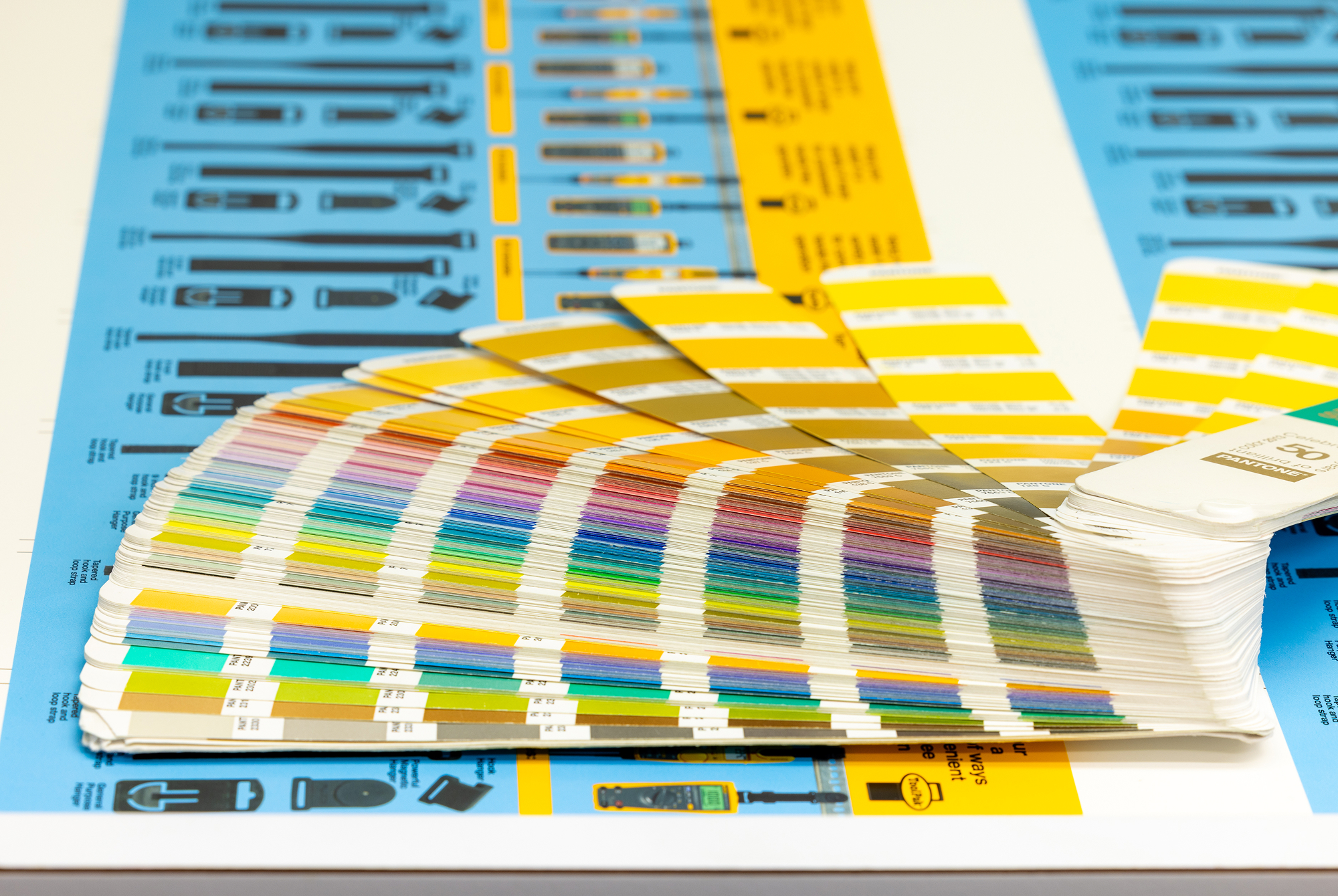
- Accurate color matching
- Standardized materials
- Quality control processes
- Repeatable production standards
Inconsistent print quality weakens customer trust and damages brand perception.
Turnaround Speed
Fast production is important, but consistency and reliability matter equally.
Businesses should evaluate:
- Standard production timelines
- Rush order capabilities
- Shipping logistics
- Multi-location fulfillment capacity
A dependable reliable printing supplier should consistently meet deadlines without sacrificing quality.
Print Quality Standards
Reviewing physical samples is essential when evaluating a print provider.
Businesses should assess:
- Color accuracy
- Material durability
- Finishing precision
- Sharpness and detail
- Packaging quality
- Structural consistency
Professional print quality directly influences how customers perceive a business.
Questions to Ask Before Selecting a Printer
Before entering a long-term agreement, businesses should ask detailed questions to evaluate the printer’s capabilities and reliability.
What Industries Do You Specialize In?
Industry experience matters because different sectors have unique production requirements.
What Types of Printing Do You Handle In-House?
Understanding internal production capabilities helps determine quality control and turnaround reliability.
Can You Support Large-Scale or Multi-Location Projects?
Scalable operations are important for growing businesses.
What Quality Control Processes Do You Use?
Professional printers should have structured inspection and proofing systems.
How Do You Handle Color Consistency Across Projects?
Color management systems are essential for maintaining brand identity.
What Is Your Typical Turnaround Time?
Businesses should understand both standard and expedited production timelines.
Do You Offer Inventory Management or Fulfillment Services?
Advanced print partners often provide warehousing and distribution support.
How Do You Handle Production Errors or Reprints?
Clear accountability processes help reduce operational risk.
Asking the right questions helps businesses identify whether a provider is simply a vendor or a true strategic partner.
Importance of In-House Capabilities and Technology
One of the most important factors when choosing a commercial printer is understanding their internal production capabilities.
Printers with extensive in-house operations typically offer:
- Better quality control
- Faster turnaround times
- More production flexibility
- Improved communication
- Lower outsourcing risk
Advanced Printing Technology
Modern commercial printers use advanced technology to improve:
- Color consistency
- Production efficiency
- Automation
- Material handling
- Finishing precision
Technology investments often indicate that a printer is focused on long-term scalability and operational excellence.
Integrated Production Workflows
Sophisticated workflow systems help printers manage:
- File preparation
- Proofing
- Scheduling
- Inventory
- Multi-location fulfillment
These systems reduce errors and improve project efficiency.
Businesses looking for the best printing company USA should prioritize providers with strong internal infrastructure and modern production capabilities.
Why Long-Term Partnerships Reduce Cost and Risk
Many businesses focus only on short-term printing costs without considering the operational value of long-term relationships.
A stable print partnership creates several long-term advantages.
Improved Efficiency
Experienced print partners become familiar with:
- Brand standards
- Material preferences
- Production specifications
- Approval workflows
This reduces onboarding time and improves project speed.
Lower Error Rates
Consistent production teams help reduce:
- File setup mistakes
- Color inconsistencies
- Production delays
- Miscommunication
Better Pricing Stability
Long-term relationships often lead to:
- Volume pricing advantages
- Predictable costs
- Reduced rush charges
Stronger Strategic Support
Established partners can provide:
- Material recommendations
- Workflow optimization
- Cost-saving strategies
- Production planning support
The operational and financial value of outsourced printing benefits increases significantly over time when businesses work with trusted long-term providers.
Red Flags When Choosing a Printing Vendor
Not every print provider is equipped to support long-term business growth.
Businesses should watch for several warning signs during the evaluation process.
Inconsistent Communication
Slow responses and unclear communication often signal operational inefficiencies.
Lack of Physical Samples
Professional printers should confidently provide production samples.
Frequent Outsourcing
Heavy reliance on third-party outsourcing may reduce quality control and production reliability.
Limited Production Capabilities
A provider that cannot scale with business growth may create future operational challenges.
Poor Online Reviews or Reputation
Consistent complaints about delays or quality issues should not be ignored.
Unclear Pricing Structures
Transparent pricing is essential for avoiding unexpected costs.
No Quality Assurance Process
A lack of structured quality control increases production risk significantly.
Selecting the wrong provider can create hidden operational problems that impact marketing performance and customer trust.
The Growing Importance of Print Supply Infrastructure
As businesses expand nationally and globally, print operations become more complex.
Modern print partners increasingly support:
- Nationwide distribution
- Inventory management
- Web-to-print ordering systems
- Multi-location fulfillment
- On-demand production
These services help businesses scale efficiently while maintaining consistent brand presentation.
A strong print infrastructure is now a competitive advantage for growing companies.
Conclusion: Partnership vs Transactional Printing
Commercial printing is no longer just a production service — it is an important part of brand management, customer experience, and operational scalability.
Businesses that treat printing as a strategic partnership rather than a transactional purchase often achieve:
- Better consistency
- Faster execution
- Lower long-term costs
- Improved customer perception
- Stronger operational efficiency
Choosing the right commercial printing partner means finding a provider that understands business growth, prioritizes quality, and offers scalable support across multiple print channels.
Whether evaluating the best printing company USA, searching for a dependable B2B print services provider, or looking for a reliable printing supplier, businesses should focus on long-term value rather than short-term pricing alone.
In today’s competitive marketplace, the right print partner can become a critical part of building a stronger, more scalable, and more trusted brand.