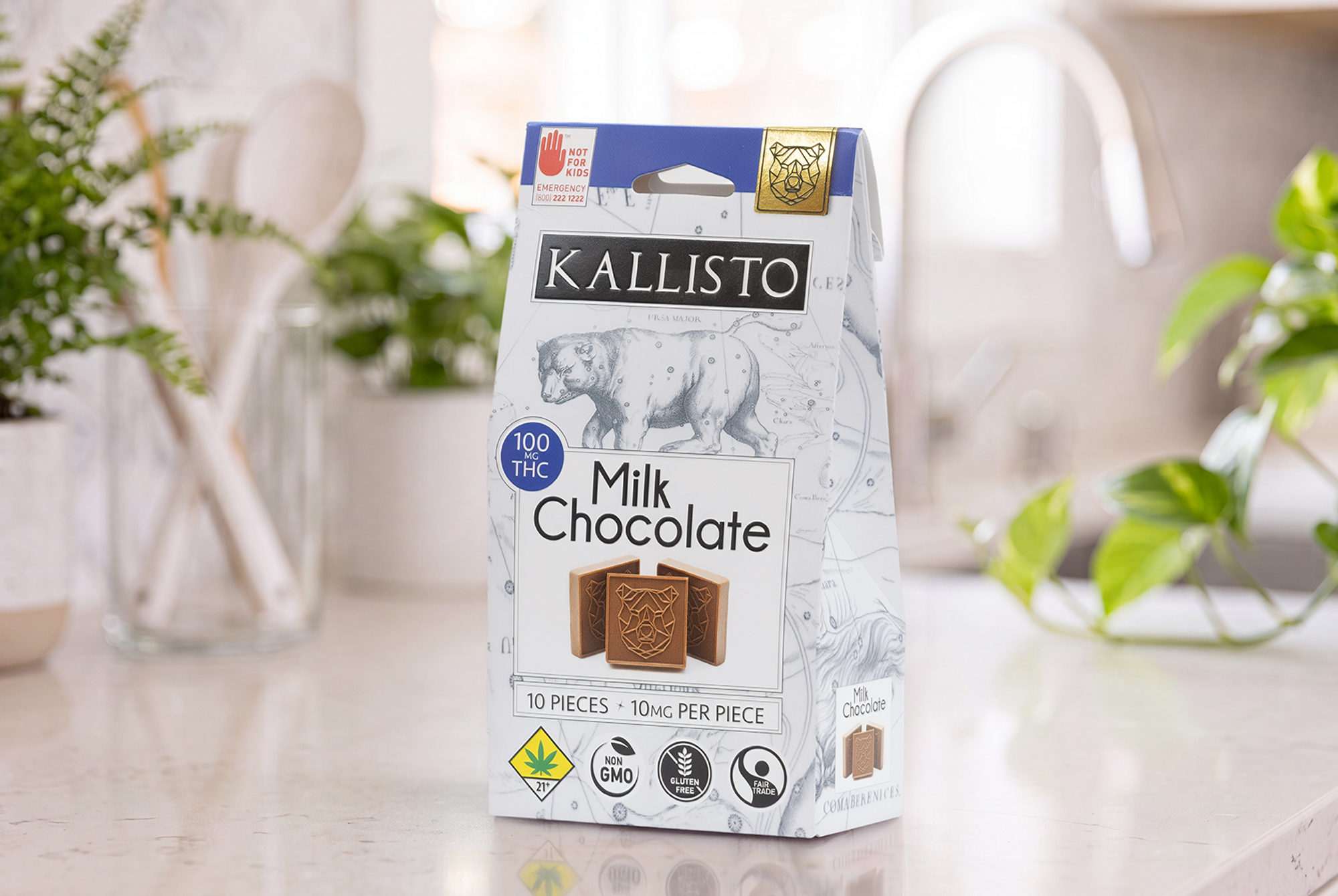
Packaging Printing Trends in the USA: How Custom Packaging Influences Buying Decisions
Packaging used to be treated as the last step before a product left the warehouse. Today, it's one of the first marketing decisions a brand makes. Custom packaging printing USA businesses are investing in isn't just about protecting a product anymore — it's about shaping how that product is perceived before a customer even opens it.
That shift shows up in the numbers as much as in design trends. Consumer research has repeatedly found that packaging design plays a major role in purchase decisions, with a widely cited 2018 Ipsos survey finding that packaging design and materials directly influenced the choices of a large majority of American shoppers. When packaging is doing that much work, it deserves the same strategic attention as any other marketing channel.
Why Packaging Affects Customer Perception and Sales
Packaging communicates on multiple levels at once. Visually, colors, typography, and imagery set an immediate tone — premium, playful, minimal, bold — before a customer reads a single word of copy. Functionally, how a package opens, reseals, or protects its contents shapes the experience of actually using the product. And symbolically, the materials and finish choices signal values: sustainability, craftsmanship, affordability, or exclusivity.
Because packaging is often the first physical touchpoint a customer has with a brand, it carries outsized influence over first impressions. A product with generic, uninspired packaging can undersell an otherwise strong product, while thoughtful product packaging design can make a mid-tier product feel premium. This is why packaging decisions increasingly sit with marketing and brand teams, not just operations.
Latest Trends in Custom Packaging Printing
A few patterns are showing up consistently across categories right now:
- Minimalist design with bold focal points — clean layouts that let one strong visual or brand element do the work, rather than crowding the surface
- Unboxing as a designed moment — packaging built specifically for the reveal experience, with interior print, inserts, and tissue treatments that extend the brand moment beyond the outer box
- Digital and short-run printing — smaller batch sizes and faster turnaround, letting brands test packaging variations or run limited editions without committing to massive print runs
- QR codes and connected packaging — printed codes linking to product stories, care instructions, or loyalty programs, bridging print and digital engagement
- Bold, saturated color palettes — a move away from safe, neutral packaging toward color choices designed to stand out on a shelf or in a photo
- Transparency-driven labeling — clear ingredient, sourcing, and material information printed directly on-pack, responding to consumer demand for honesty over marketing gloss
These packaging marketing trends aren't isolated to any one industry — they're showing up across food, beauty, apparel, and consumer electronics alike, as brands compete for attention in increasingly visual retail and social environments.
Differences Between Retail, Ecommerce, and Luxury Packaging
Not all packaging serves the same job, and the printing approach should reflect that.
Retail packaging printing has to work under specific constraints: shelf visibility, compact footprint, and durability through handling and transport. Design needs to communicate the brand and product benefit almost instantly, since it's competing with dozens of other products in the same aisle.
Ecommerce packaging carries a different burden. It rarely competes on a shelf, but it does need to survive shipping, arrive intact, and create a strong unboxing moment since it's often the first physical brand interaction a customer has. Interior branding, protective design, and social-media-worthy presentation matter more here than shelf standout.
Luxury packaging shifts the priority again — toward tactile quality, restraint, and finish. Heavier stock, subtle textures, and premium print finishes matter more than bold graphics, because the packaging itself needs to reinforce a sense of exclusivity and craftsmanship.
Brands producing across multiple channels increasingly need branded packaging solutions flexible enough to be adapted for each context without losing a consistent brand identity.
How Print Finishes Enhance Product Presentation
Finish choices are where packaging moves from "printed" to "designed." A few finishes that consistently elevate presentation:
- Soft-touch or matte lamination — creates a tactile, premium feel that's become a shorthand for higher-end products
- Spot UV coating — adds a glossy, raised contrast against a matte background, often used to highlight a logo or key graphic element
- Foil stamping — metallic accents that catch light and signal quality, commonly used on luxury and gift packaging
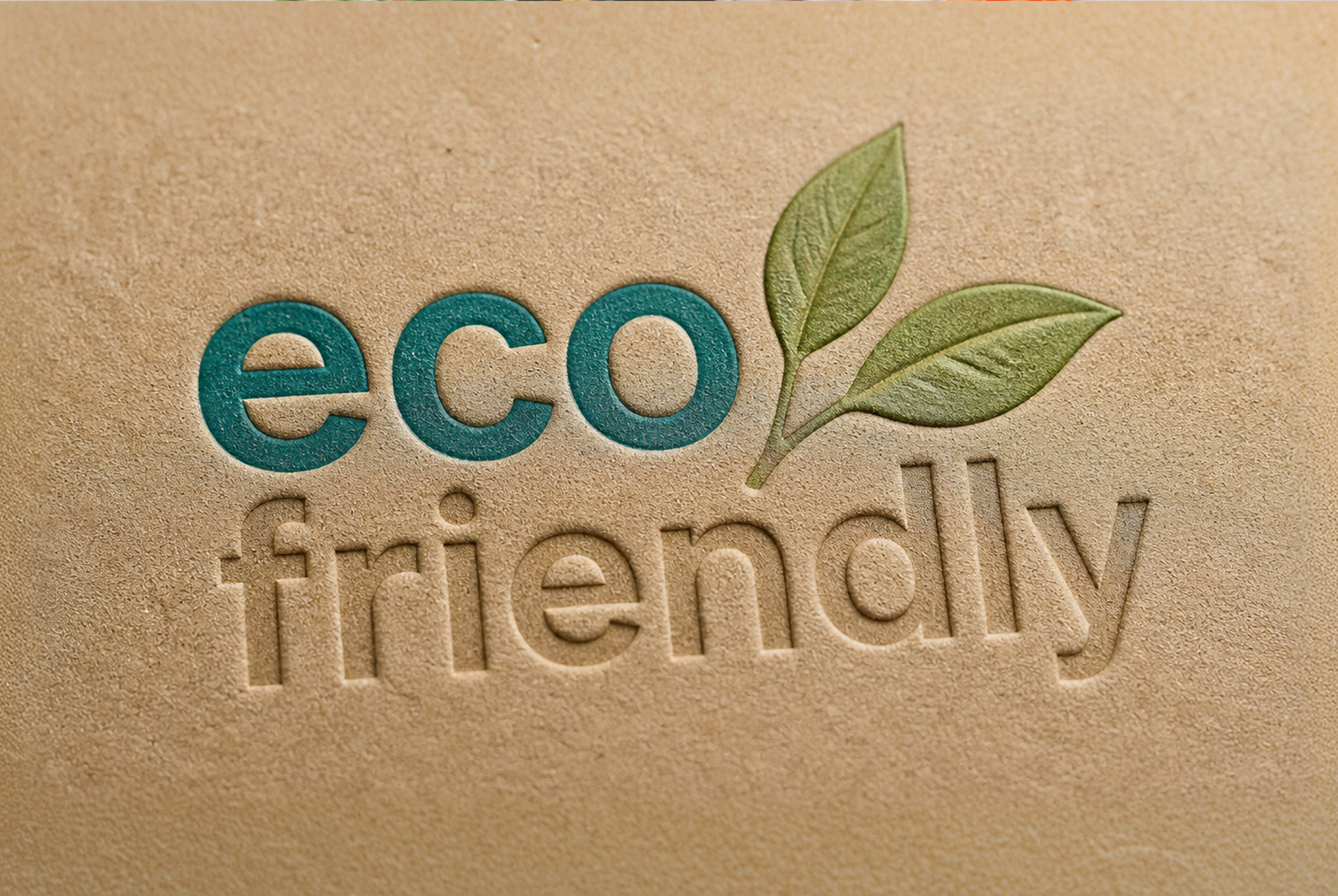
- Embossing and debossing — raised or recessed textures that add a physical, tactile dimension to logos or patterns
- Die-cut windows and structural details — letting the product itself become part of the packaging's visual appeal
None of these finishes function in isolation — the most effective packaging usually combines one or two finishes deliberately rather than layering on every available technique, which can make packaging feel busy rather than premium.
Sustainable Packaging Trends Businesses Should Know
Sustainability has moved from a niche packaging consideration to a mainstream expectation, and it's increasingly tied directly to purchase decisions. Consumers are showing a consistent willingness to favor — and even pay more for — packaging that reflects genuine environmental responsibility rather than surface-level green messaging.
Key trends worth tracking:
- Recyclable and mono-material structures — packaging designed from a single material type to simplify recycling, rather than mixed materials that are harder to process
- Reduced material use — right-sized packaging that cuts excess material and void space, which also lowers shipping costs and emissions
- Compostable and plant-based materials — particularly in food and beauty packaging, where end-of-life impact is under close scrutiny
- Certification visibility — printing recognizable sustainability certifications directly on-pack, since third-party verification carries more credibility than brand self-description alone
For brands already investing in sustainable materials, making that effort visible through packaging design is one of the most direct ways to convert a values-based decision into a marketing advantage.
Common Packaging Design and Printing Mistakes
A few recurring missteps show up across packaging projects:
- Prioritizing shelf impact over usability. Packaging that looks striking but is difficult to open, reseal, or store creates friction that undermines the positive first impression.
- Inconsistent branding across SKUs or channels. When retail, ecommerce, and promotional packaging don't share a clear visual thread, brand recognition suffers.
- Overlooking print production constraints early. Finishes, die lines, and material choices designed without input from a print partner can lead to costly revisions once a project reaches production.
- Treating sustainability as an afterthought. Bolting a recycling symbol onto an otherwise unchanged package reads as superficial to increasingly informed consumers.
- Skipping real-world testing. Packaging that looks perfect in a design file can behave very differently under shipping stress, humidity, or repeated handling — testing early avoids costly reprints.
Conclusion: Packaging as a Brand Experience Driver
Packaging has become one of the most direct ways a brand can shape perception, communicate values, and influence a purchase decision — often before a customer reads a single word of marketing copy. Investing in strong product packaging design, the right print finishes, and materials that match both the product and the brand's values isn't a cosmetic upgrade; it's a measurable driver of how a product performs on the shelf and in the mailbox alike.
Brands that treat packaging as a core part of their marketing strategy, backed by a print partner who understands both the creative and production side, are better positioned to turn every unboxing into a brand experience rather than just a delivery.