Variable Data Printing Explained: How Personalized Print Marketing Increases Engagement
Personalization has become the default expectation in digital marketing emails, ads, and websites all shift based on who's looking at them. Print has largely caught up, and variable data printing is the technology making it possible. Instead of running one static design for an entire mailing list, brands can now produce personalized direct mail where the message, imagery, and offer change for every single recipient, without slowing down production.
For marketers used to thinking of print as a one-size-fits-all channel, that shift changes what's possible. A mail piece can now behave more like a digital ad: relevant, specific, and built around what's actually known about the person receiving it.
What Variable Data Printing (VDP) Means
Variable data printing is a digital printing process that pulls information from a database and uses it to change specific elements of a printed piece text, images, offers, even layout — from one copy to the next, all within a single continuous print run. Nothing is manually swapped out between pieces; the press reads the data and adjusts automatically as it prints.
Three things need to be in place for VDP to work:
- Software that tells the press how to personalize each element based on your data and design rules
- Clean, accurate data for the software to pull from — names, purchase history, location, preferences, or whatever variables the campaign is built around
- A digital press capable of executing those changes print-to-print without interrupting the run
When those three pieces come together, a print shop can produce VDP printing services at a scale that would be impossible to replicate by hand — thousands of uniquely personalized pieces printed as efficiently as one static design.
How Personalized Print Campaigns Work
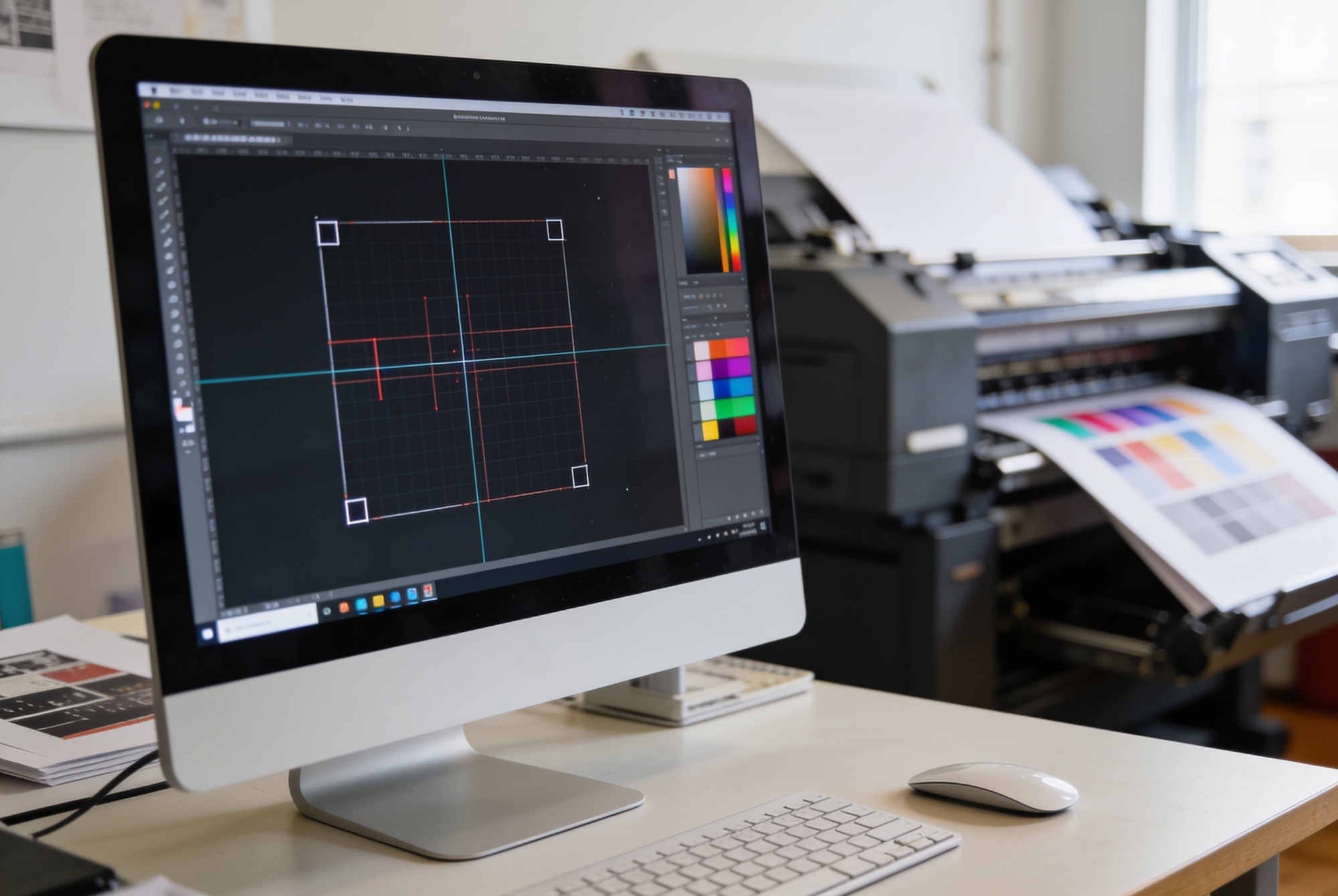
The mechanics are straightforward even though the output feels sophisticated. A campaign starts with a base template — the layout, branding, and structure that stays consistent across every piece. Then, variable fields are built into that template: a name field, an image placeholder, an offer block, a map or store-locator field.
The customer database is mapped to those fields, so each record in the list feeds its own version of the piece. One recipient might see a discount on a product they've purchased before; another sees a completely different offer based on their own purchase history. The design stays visually consistent — same brand, same layout logic — while the content adapts individually.
This is what separates custom print campaigns from simple mail merges. A mail merge typically just swaps a name into a greeting line. VDP can adjust the entire visual and messaging strategy of a piece based on the data behind it.
Examples of VDP in Direct Mail and Retail
VDP shows up most visibly in direct mail, but the applications span several formats:
- Retail postcards and mailers — swapping product imagery based on past purchase categories, or highlighting the recipient's nearest store location automatically
- Loyalty and re-engagement mail — messaging built around how long it's been since a customer's last purchase, with offers scaled to match their typical spend
- Event and appointment reminders — healthcare, financial services, and membership organizations personalizing dates, locations, and next-step instructions per recipient
- Retail packaging inserts — including personalized thank-you notes or reorder prompts tied to what was actually purchased
- Franchise and multi-location marketing — a single national campaign that automatically localizes store addresses, hours, and regional promotions for each recipient's nearest location
In each case, the underlying print production doesn't get more complicated — the complexity lives in the data and template setup, not in the pressroom.
Benefits of Print Personalization for Customer Engagement
Personalized print earns attention that generic mail doesn't. A piece addressed to a specific person, referencing something relevant to them, is far more likely to get opened and acted on than a piece that's obviously mass-produced.
The engagement lift shows up in a few consistent ways:
- Higher response rates — recipients respond more readily to offers that feel relevant to their own buying history or interests
- Stronger brand perception — personalized communication signals that a brand is paying attention, not just broadcasting
- Better cross-channel consistency — targeted print marketing can mirror the segmentation already used in email and digital ads, reinforcing the same message across channels instead of contradicting it
- Improved cost efficiency per response — even though personalized print can cost more per piece than a generic run, a higher response rate often lowers the effective cost per converted customer
The core advantage is simple: personalized print treats each recipient like they matter individually, which is exactly what modern customers expect from every channel a brand uses.
Data Management and Segmentation Best Practices
VDP is only as good as the data behind it, which makes data hygiene and segmentation the real foundation of a successful campaign.
- Keep the data current. Outdated addresses, names, or purchase records undermine the entire point of personalization — and can actively damage trust if a piece feels wrong or outdated.
- Segment with intent, not just demographics. Behavioral data — purchase history, engagement patterns, lifecycle stage — usually drives more relevant personalization than basic demographic fields alone.
- Build templates around available data, not aspirational data. A campaign designed around fields the business doesn't reliably capture will underperform. Start with what's clean and complete, then expand.
- Test personalization depth. Not every campaign needs maximum personalization. Sometimes a name and a relevant offer outperform an overly complex, multi-variable design that's harder to produce and proof.
- Coordinate with digital data teams. The same segmentation logic used for email and ad targeting can usually be reused for print, which keeps messaging consistent and saves work building parallel data structures.
Common Mistakes in Personalized Printing Campaigns
A few recurring issues can undercut an otherwise well-designed VDP campaign:
- Personalizing for the sake of personalizing. Adding a name to a page without any deeper relevance doesn't move the engagement needle much on its own.
- Skipping the proofing step. Because every piece can be different, VDP campaigns need broader quality checks than a static print run — a data error can quietly repeat across an entire mailing list.
- Ignoring data privacy expectations. Personalization requires customer data, and campaigns need to handle that data responsibly and in line with how customers expect it to be used.
- Overcomplicating the template. Too many variable elements can slow production, increase error risk, and make testing difficult. Simpler, well-targeted personalization often outperforms an overengineered design.
- Treating VDP as a one-off tactic. The biggest gains usually come from ongoing, iterative campaigns where messaging and offers are refined over time — not a single personalized mailer sent once and forgotten.
Conclusion: Why Customization Improves Marketing ROI
Variable data printing turns print from a broadcast channel into a targeted one, giving marketers the same precision in mail that they already expect from digital campaigns. Personalized direct mail built on clean data and thoughtful segmentation consistently outperforms generic runs not because personalization is a trend, but because relevance is what actually drives a response.
Brands that treat VDP as a standard part of their custom print campaigns, rather than an occasional add-on, get more out of every mailing: higher engagement, stronger brand perception, and a print budget that works harder per piece sent.