
The Real ROI of Professional Printing: Why Quality Print Still Drives Business
In today’s digital-first business environment, many companies focus heavily on online advertising, social media, email campaigns, and digital automation. While digital marketing is essential, print marketing continues to play a powerful role in brand growth, customer trust, and long-term conversion performance.
From premium packaging and signage to brochures and business cards, professionally printed materials still influence how customers perceive a business. In fact, many companies are rediscovering the value of high-quality print as a competitive advantage in an increasingly crowded digital landscape.
Understanding the true professional printing ROI goes beyond measuring immediate sales. It involves evaluating trust, customer perception, brand consistency, retention, and long-term marketing performance.
Why Print Still Matters in a Digital-First USA Market
Consumers today are overwhelmed by digital advertisements. Emails go unread, online ads are ignored, and social feeds are saturated with promotional content competing for attention.
Printed marketing materials offer something digital channels often cannot: physical presence and credibility.
Professionally printed materials create a tactile experience that:
- Builds trust
- Increases brand recall
- Enhances professionalism
- Improves customer engagement
- Creates lasting impressions
Businesses across the USA continue investing in print because physical materials remain highly effective for:
- Local marketing
- Retail branding
- Trade shows
- Direct mail campaigns
- Corporate presentations
- Product packaging
- In-store experiences
The continued relevance of print proves that print marketing effectiveness remains strong even in highly digital industries.
What “ROI of Print” Actually Means Today
The return on investment for print marketing has evolved significantly. Today, businesses measure the value of printed materials through both direct and indirect outcomes.
Direct ROI
Direct ROI includes measurable performance indicators such as:
- Lead generation
- Sales conversions
- Coupon redemption
- Event signups
- Call tracking responses
- QR code engagement
For example, a direct mail campaign with professionally printed materials can generate trackable conversions tied directly to revenue.
Indirect ROI
Indirect ROI is equally important and often has longer-lasting business value.
This includes:
- Brand recognition
- Customer trust
- Improved reputation
- Stronger first impressions
- Increased customer retention
- Higher perceived product value
Many companies underestimate the long-term business print materials ROI because they focus only on immediate sales rather than overall brand positioning.
High-quality print materials often influence purchasing decisions before a customer even speaks to a sales representative.
How Professional Printing Impacts Brand Perception
Brand perception plays a major role in customer decision-making. Poor-quality printed materials can negatively impact credibility, while premium print instantly communicates professionalism and reliability.
Consumers often associate print quality with business quality.
Professionally printed materials help businesses:
- Establish authority
- Improve visual consistency
- Reinforce brand identity
- Increase customer confidence
- Differentiate from competitors
For example:
- A luxury real estate company using premium brochures creates a more upscale impression.
- A restaurant with professionally printed menus appears more trustworthy and established.
- Retail packaging with sharp graphics and premium finishes increases perceived product value.
These factors contribute directly to stronger customer trust and conversion potential.
One of the major commercial printing benefits is the ability to elevate a brand beyond what standard office printing can achieve.
Direct vs Indirect ROI of Printed Materials
Understanding both forms of ROI helps businesses make smarter marketing decisions.
Direct ROI Examples
Direct Mail Campaigns
Professionally designed and printed direct mail campaigns often achieve higher engagement rates than email marketing because physical mail receives more focused attention.
Promotional Flyers
Retail businesses frequently use professionally printed flyers to increase local foot traffic and seasonal sales.
Event Marketing
Trade show banners, brochures, and signage directly contribute to lead generation and customer acquisition.
Indirect ROI Examples
Brand Trust
Professionally printed materials create a sense of legitimacy that strengthens customer confidence.
Customer Experience
Premium packaging and branded inserts improve customer satisfaction and encourage repeat purchases.
Long-Term Brand Recall
Printed materials remain visible longer than digital ads, improving retention and awareness over time.
When evaluating offline marketing ROI, businesses should consider both measurable performance and long-term brand influence.
Case Examples: Business Cards, Packaging, and Signage
Business Cards
Despite digital networking tools, business cards remain highly effective for professional relationship building.
A professionally printed business card:
- Creates a strong first impression
- Improves memorability
- Reinforces brand professionalism
- Encourages follow-up communication
Cheap or poorly printed cards can have the opposite effect.
Product Packaging
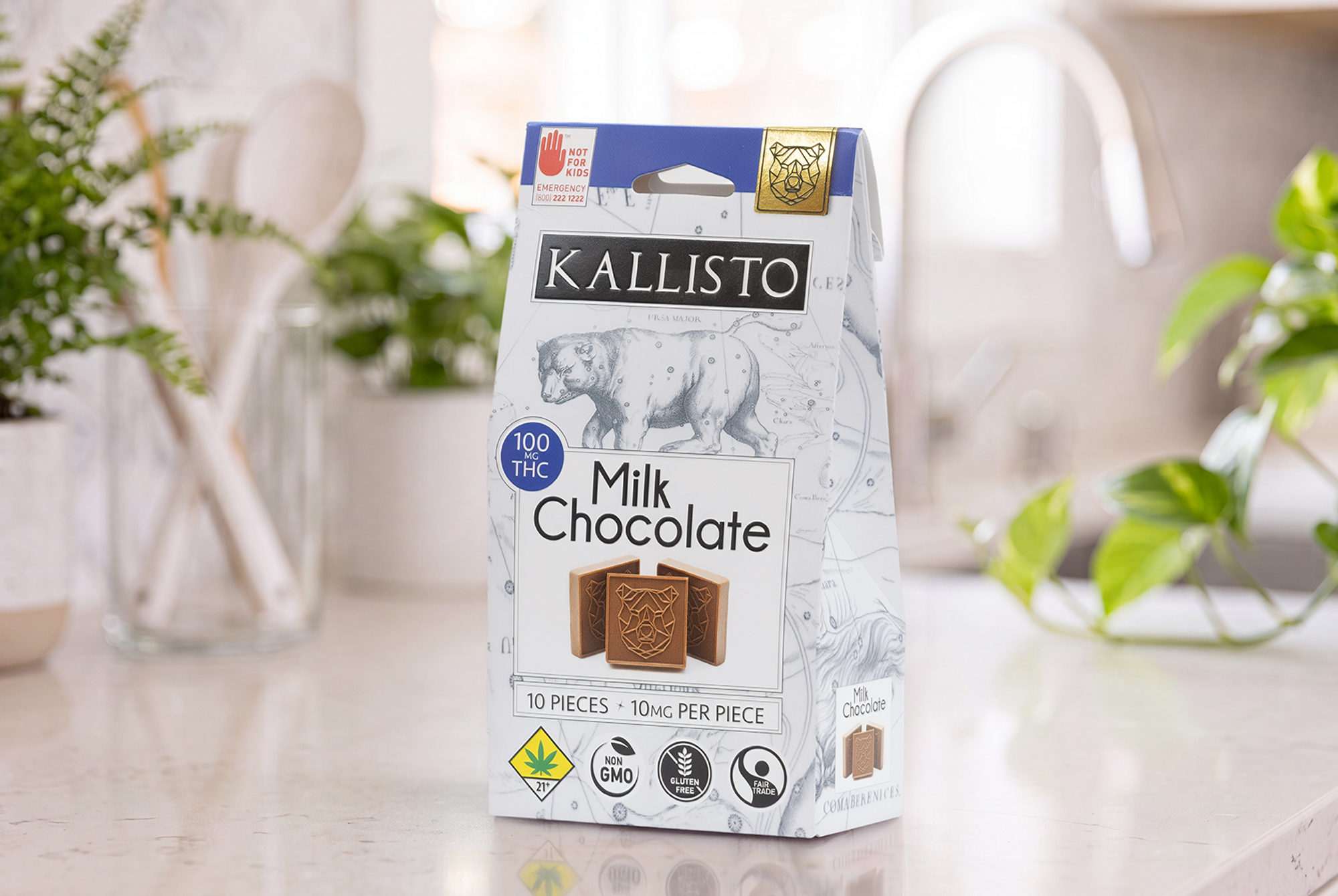
Packaging has become one of the most important branding tools in modern retail and ecommerce.
High-quality printed packaging:
- Enhances perceived value
- Supports customer retention
- Improves unboxing experiences
- Encourages social sharing
- Strengthens brand identity
Many ecommerce businesses use custom printed packaging as part of their customer experience strategy.
Signage
Large-format signage remains one of the strongest forms of local offline advertising.
Professional signage helps businesses:
- Increase visibility
- Improve foot traffic
- Reinforce branding
- Create stronger storefront presence
Unlike digital ads that disappear instantly, physical signage delivers continuous exposure over long periods.
Cost vs Value Comparison: In-House vs Professional Printing
Many businesses attempt to reduce costs through in-house printing. While this may seem economical initially, it often leads to inconsistent quality and higher long-term expenses.
In-House Printing Limitations
Common challenges include:
- Lower print quality
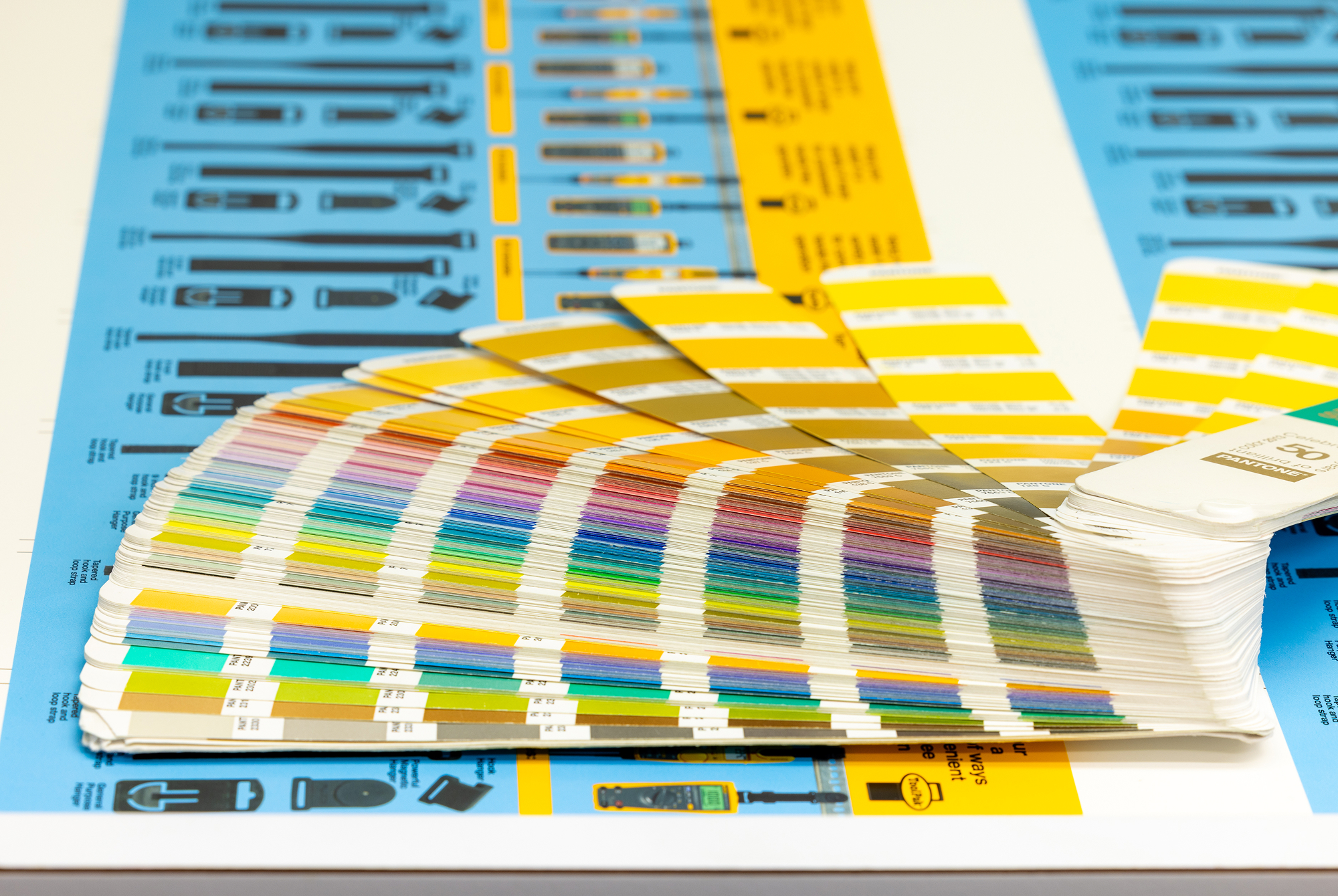
- Color inconsistency
- Limited material options
- Slower production
- Higher maintenance costs
- Increased material waste
In-house printing may work for temporary internal documents but often falls short for customer-facing materials.
Benefits of Professional Printing Services
Professional printers provide:
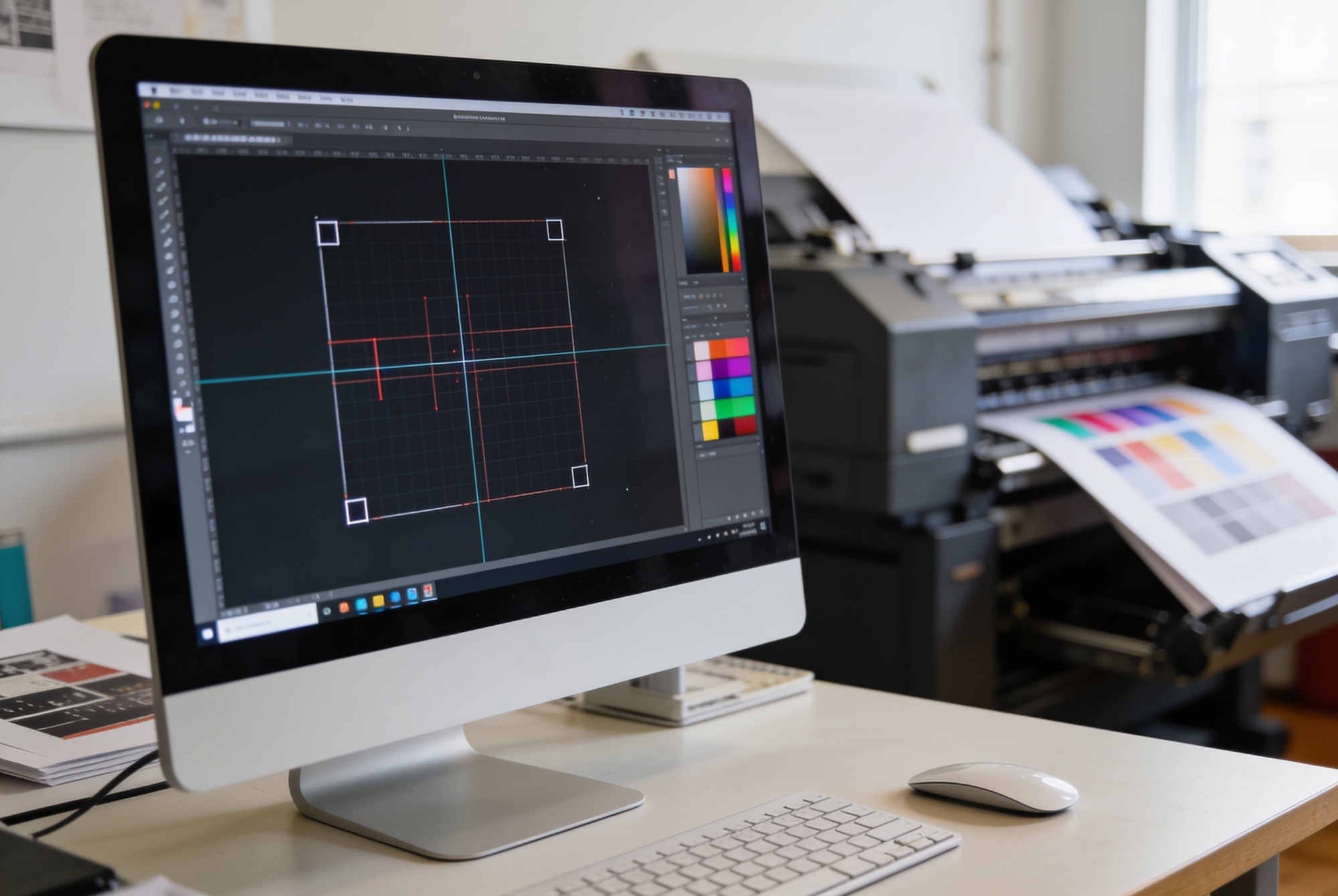
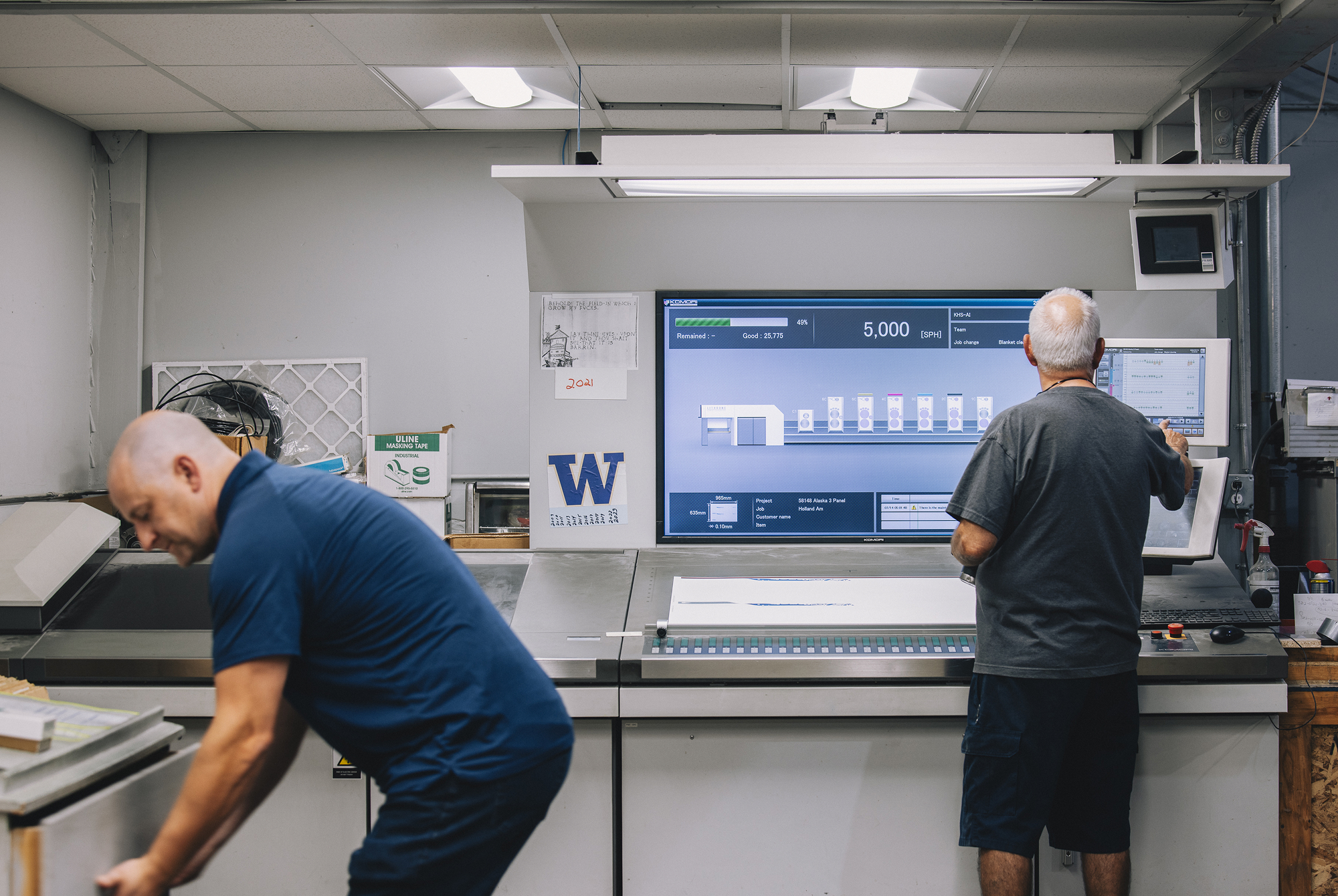
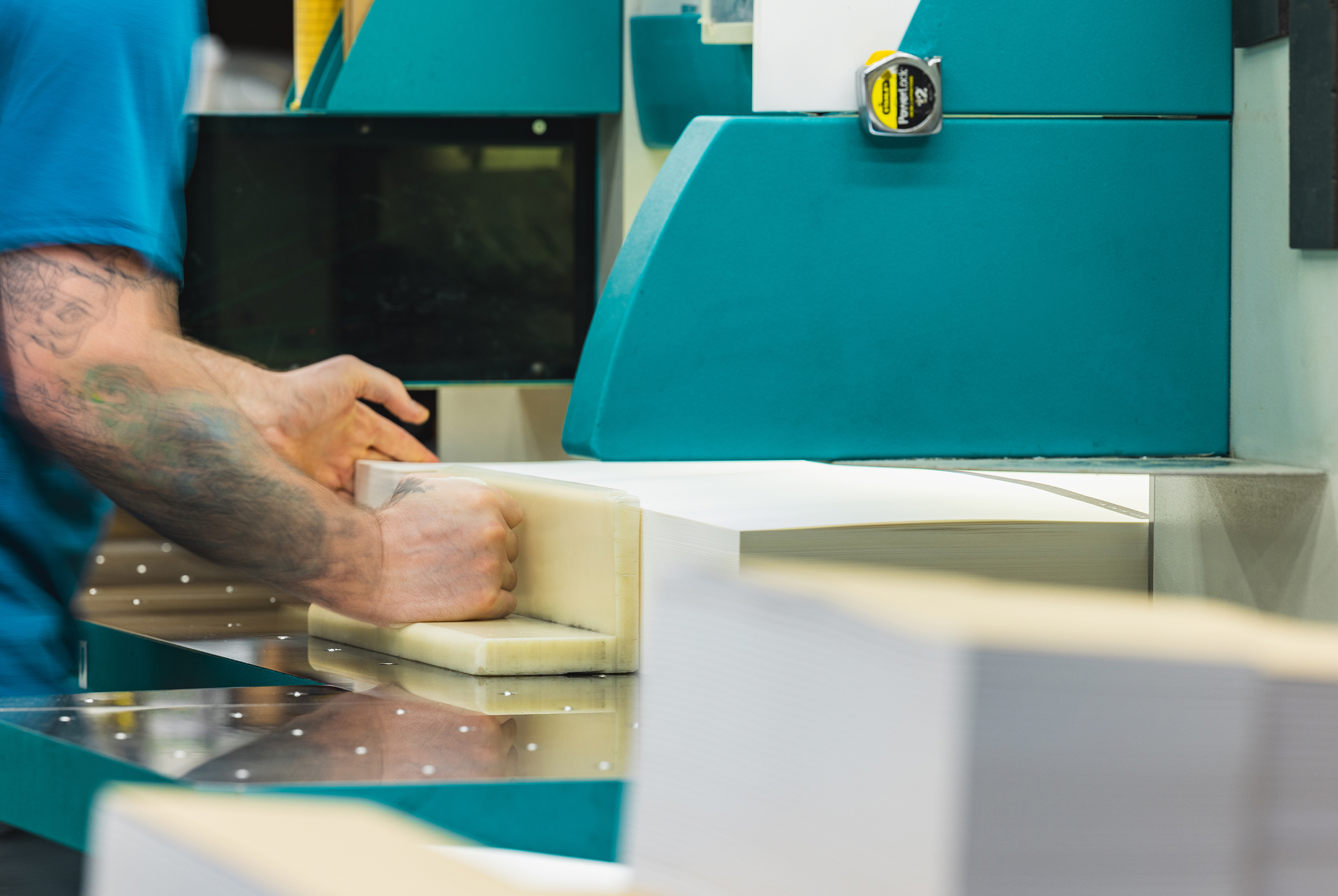
- Commercial-grade equipment
- Superior color accuracy
- High-end finishing options
- Expert file preparation
- Better material durability
- Consistent brand presentation
When businesses compare cost versus long-term value, professional printing often delivers stronger returns despite higher upfront investment.
This is one of the key reasons businesses continue investing in commercial print providers.
Why Quality Printing Reduces Long-Term Marketing Waste
Poor-quality print materials can create hidden marketing costs.
Low-grade printing often results in:
- Reprints due to errors
- Damaged brand perception
- Lower engagement rates
- Shorter material lifespan
- Inconsistent branding
Professionally printed materials are designed for durability, consistency, and visual impact.
For example:
- UV-coated signage lasts longer outdoors
- High-quality brochures maintain better presentation
- Durable packaging reduces shipping damage
- Premium inks improve visual clarity over time
Quality printing reduces replacement frequency and improves marketing efficiency, leading to stronger long-term ROI.
Print and Digital Marketing Work Best Together
Modern marketing is not about choosing print over digital. The most effective businesses integrate both strategies together.
Print can support digital marketing through:
- QR codes
- Personalized URLs
- Social media promotion
- Direct mail retargeting
- Event-driven campaigns
- Branded packaging experiences
For example:
- A printed brochure can direct customers to an online landing page.
- Packaging inserts can encourage social media engagement.
- Business cards can include QR codes for scheduling consultations.
This integrated strategy improves both online and offline performance.
Conclusion: Print as a Trust and Conversion Driver
The value of professional printing extends far beyond aesthetics. High-quality print materials continue to drive trust, improve customer perception, strengthen branding, and support measurable business growth.
As businesses compete in increasingly crowded digital markets, professionally printed materials provide a tangible way to stand out and create lasting impressions.
From signage and packaging to direct mail and promotional materials, the true professional printing ROI comes from combining visibility, credibility, and long-term brand impact.
Companies that invest in quality print are not simply buying materials — they are investing in customer trust, stronger marketing performance, and sustainable business growth in both online and offline markets.